
As the world grapples with the growing plastic crisis, it’s clear that current solutions, like recycling, aren’t enough to combat the problem. The sheer volume of plastic waste, paired with inefficient waste management systems, has led to mounting environmental and health risks. A WWF study reveals that the true lifecycle cost of plastic waste far exceeds the price consumers pay for single-use packaging. Moreover, complex multi-layered plastics, which are commonly used in the Global South, further hinder recycling efforts, as current technology is not yet capable of processing them effectively.
At Enviu’s Zero Waste Living Lab, we believe that refill and reuse systems offer a crucial solution to this growing plastic crisis. By addressing plastic waste already at the disposal stage, these systems help reduce reliance on single-use plastics at its source to create a more sustainable cycle.
In this blog, we’ll explore the impact and benefits of using refill and reuse systems in the fight against plastic pollution, while also sharing key learnings from Zero Waste Living Lab’s initiatives that are paving the way in promoting Reuse and Refill systems.
The Benefits of Refill and Reuse Systems
Refill and reuse systems play a crucial role in reducing plastic pollution. By cutting the need for new plastic products, they reduce the amount of packaging that ends up in landfills and the environment. Extending the life cycle of items also decreases the demand for raw materials like petroleum and natural gas, which are major contributors to climate change.
Additionally, reducing plastic waste helps protect natural habitats by preventing harmful materials from polluting ecosystems such as oceans, rivers, and forests. This safeguards wildlife from ingesting or becoming entangled in plastic debris, which can cause injury, illness, or death. By maintaining cleaner environments, refill and reuse systems help preserve biodiversity and the health of ecosystems. They also minimize health risks to humans by preventing microplastics from entering the food chain.
Our Ongoing Refill and Reuse Ventures
Allas
Allas is a closed-loop food and beverage provider committed to eliminating plastic waste at its source. Our primary mission is to facilitate the adoption and transition to reusable packaging solutions across various sectors and facilities. To ensure the seamless integration of sustainable practices, we offer comprehensive services and procurement support. As a venture of Enviu Indonesia, Allas is dedicated to driving positive environmental impact through innovative and practical solutions that contribute to a more sustainable future.

Alner
Our venture Alner, short for Alternative Container, collaborates with leading FMCG brands to offer a convenient system for returning and refilling containers. This initiative provides essential products like soap, shampoo, and food ingredients in reusable packaging. Customers can return or refill containers through a network of drop-off points or online. Alner’s approach integrates smart design and durability, ensuring cost savings and reducing reliance on single-use packaging. By managing the lifecycle of containers—from collection to cleaning and refilling—Alner helps prevent plastic waste at the source and supports a sustainable, circular economy.

Currently, we are also in the process of venturing a new venture to prevent plastic waste, mainly in logistic industries. We will share our further learnings once it is finalized!
Through our work with ventures like Alner and Allas, as well as discontinued projects within the Zero Waste Living Lab, we’ve gained valuable insights for businesses aiming to scale refill and reuse systems. Below are key takeaways that highlight lessons on optimizing our reuse and refill systems and maximizing their overall impact.
Our Venture’s Key Learnings & Lessons
Educate and Empower with Incentives
Implement deposit-reward schemes and provide comprehensive training to promote refill and reuse systems. For example, Alner’s model partners with FMCG brands and small businesses to replace single-use packaging with reusable options. Offering incentives like cashback has proven effective, with Alner achieving an average return rate of 60-70%. This approach not only educates consumers but also boosts community engagement and creates economic opportunities.
Leverage Smart Technologies
Utilize trackable systems such as QR codes or RFID to manage reusable packaging efficiently. These technologies streamline logistics and improve accountability. For instance, Alner uses smart systems to track packaging, enhancing both the operational efficiency and user experience.
Balance Initial Costs with Long-Term Gains
While initial investments in reusable packaging and logistics can be high, the long-term benefits often outweigh these costs. Effective collection, cleaning, and redistribution systems are crucial for maintaining cost-effectiveness. The experience from our ventures shows that despite higher upfront costs, the long-term economic and environmental gains are substantial.
Adapt to Local Contexts
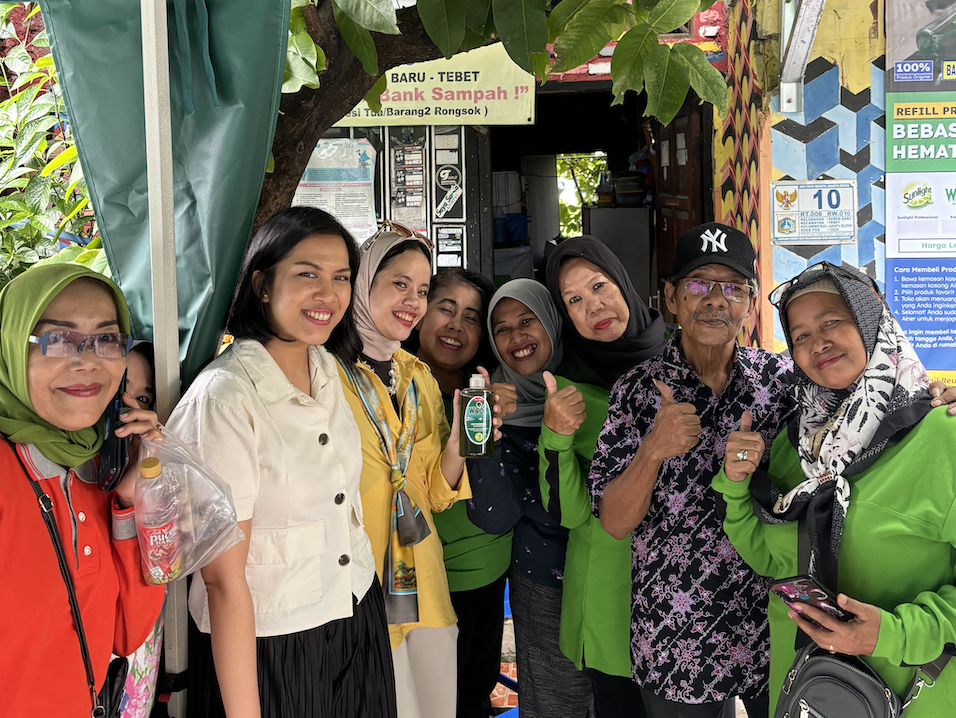
Customize your refill and reuse strategy to fit local consumer habits and preferences. For example, Alner’s collaboration with local initiatives like Waste Bank and Women led communities highlights the importance of working with community-based organizations to integrate reuse systems effectively. Understanding and addressing local resistance can enhance acceptance and participation.
Ensure Compliance
Navigate regulatory requirements, especially in industries like food and beverage, to ensure adherence to legal standards. Alner’s success in maintaining compliance demonstrates the importance of aligning with regulations to avoid operational issues and maintain trust with consumers.
Focus on Scalability
Regularly assess the scalability of your system to ensure it remains sustainable and profitable. Alner’s network of over 800 community hubs showcases how expanding partnerships and distribution can support system growth and community development. By working with local businesses, Alner enhances its reach and strengthens the overall impact of its reuse system.
Looking Ahead
As we continue to confront the growing challenge of plastic pollution, it’s clear that refill and reuse systems offer powerful solutions that go beyond the limitations of traditional methods of recycling single use plastics. At Zero Waste Living Lab, we are committed to pioneering these innovative approaches through ventures like Alner and Allas, proving that sustainable practices can be both practical and impactful.
By sharing our learnings and experiences, we hope to inspire and empower others to join the movement toward a zero-waste future. Together, we can significantly reduce plastic waste, protect our environment, and build a more sustainable world for future generations.
