
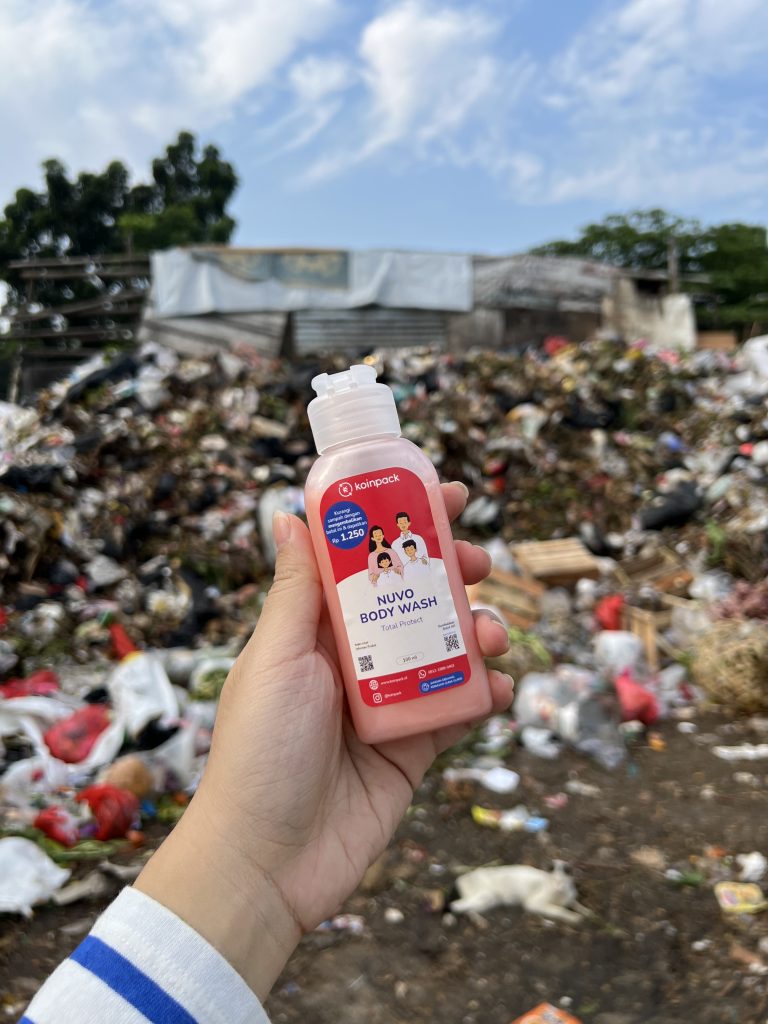
Indonesia is facing a growing plastic crisis, with plastic waste piling up from our daily consumption of single use bottles of water, snack packaging, and more. But have you ever considered how much plastic you personally contribute? This is known as your plastic footprint, and becoming aware of it is the first step toward reducing plastic pollution.

Since synthetic plastics became popular, global plastic production has surged to over 380 million tons annually. In Indonesia, this issue is particularly alarming, with the country generating about 6.8 million tons of plastic waste every year. Sadly, around 70% of this waste ends up polluting the environment— from covering streets to clogging landfills. Indonesia is also the second-largest contributor to ocean plastic pollution globally, as much of its plastic waste is entering waterways through improper disposal.
While the widespread use of cheap, flexible, multi-layered synthetic plastics dominates the economies of Indonesia along with other Global South nations, their durability becomes an issue. These plastics can remain in the environment for hundreds of years, endangering environmental and human health.
How Much Plastic Are Indonesians Using
The scale of plastic consumption in Indonesia is overwhelming. Each person is responsible for about 3.2 kg of plastic waste every month, which amounts to 38 kg per year. With a population of over 270 million, this adds up to millions of tons of plastic waste leak to the environment such as landfills and oceans annually.
Unfortunately, only 10% of this waste is currently recycled. The low recycling rate is compounded by challenges in Indonesia’s waste management systems, where collection and recycling infrastructure is not widespread or efficient enough to handle the growing plastic problem.
The key factor exacerbating this issue is the prevalence of certain types of plastic packaging that are inherently difficult to recycle. These materials not only overwhelm the waste management system but also contribute significantly to environmental leakage.
Types of Problematic Plastic Packaging use in Indonesia
1. Small-format packaging
Items like sachets, tear-offs, lids, straw packages, sweet wrappers, and small pots often escape collection or sorting systems. They have no economic reuse or recycling pathway, contributing heavily to waste.

2. Multi-material packaging:
Pouches and snack packaging, which combine plastic and aluminum layers, cannot be economically—and often not even technically—recycled due to the complexity of separating the materials.

3. Uncommon plastic packaging materials:
Plastics like PVC, PS, and EPS, while technically recyclable, are not economically viable for sorting and recycling because their small volumes prevent effective economies of scale.

4. Contaminated packaging
Items such as coffee capsules or fast-food packaging are difficult to clean and sort properly, making it hard for them to enter high-quality recycling streams.

Read more about the packaging types to tackle in our most recent issue analysis : https://zerowastelivinglab.enviu.org/issue-analysis-2024/
The Hidden Plastics You Don’t See
Beyond the obvious sources of plastic waste, microplastics—tiny particles less than 5 millimeters in size—pose a hidden threat. They’re found in surprising places, from clothing fibers to the water we drink. Microplastics have even been detected in fish and seafood, making their way into our food supply. Even everyday items like tea bags can release microplastics into our drinks!
Though these particles may seem too small to matter, their collective impact is significant and damaging to the health and environment.
Plastic Pollution’s Environmental Impact
Indonesia’s environment is suffering due to millions of tons of mismanaged plastic waste each year. Much of this waste ends up in oceans, is burned, or piles up in illegal dumpsites, leading to severe pollution.
Wildlife is among the most impacted. Many animals ingest plastic or become entangled in it, which can lead to injury or death. Local fishing communities also suffer, as pollution degrades habitats and diminishes fish populations, threatening both livelihoods and food security. The plastic that washes ashore also poses health risks to residents, as it can contaminate water sources and harm local ecosystems. Combatting plastic pollution is crucial for protecting both ecosystems and human communities.
How Can You Calculate Your Plastic Footprint?
Understanding your plastic footprint is key to identifying how you can reduce waste and make more sustainable choices. One helpful way is to keep a journal for a week, tracking all the plastic items you use, from packaging to single-use products. This can give you a clearer idea of how much plastic you go through daily. You can also review the packaging and labels of the products you regularly buy to identify opportunities for reducing waste. The results may surprise you!
How to Reduce Your Plastic Footprint

Reducing plastic waste begins with thoughtful changes to your consumption habits. One impactful approach is to support reuse initiatives. At Zero Waste Living Lab, we’re driving innovation with solutions like Alner, which enables FMCG companies to refill and reuse their packaging, and Allas, providing sustainable packaging options for the food and beverage industry. By choosing brands and products that prioritize reuse, you’re actively contributing to reducing the demand for single-use plastics.
Beyond reuse and refill initiatives, simple changes in your shopping habits can make a difference. For example, purchasing items in bulk reduces unnecessary packaging, and being mindful of the materials in your clothing—choosing natural fibers over synthetics—helps lower the amount of microplastics released into the environment during washing.
By making these conscious choices and supporting reuse-driven businesses, you can actively participate in the effort to reduce plastic waste, making a significant contribution toward a more sustainable future.
Small Changes Make a Big Difference
Even the smallest shifts in habits can have a large impact. For example, switching to a reusable water bottle can save more than 156 single-use plastic bottles each year. By integrating simple, sustainable actions into your daily routine—like refusing plastic straws, carrying reusable shopping bags, and buying in bulk—you help foster a culture of sustainability. Each choice you make adds up, amplifying your positive impact on the environment and can even encourage those around you to do the same.
It Begins with Us: A Call to Action for a Sustainable Future!
Plastic waste presents a critical challenge, especially in Indonesia. However, by understanding your plastic footprint and making mindful choices, you can contribute to reducing plastic pollution and protecting the environment. Let’s rethink our plastic usage together and work toward a more sustainable future.
