
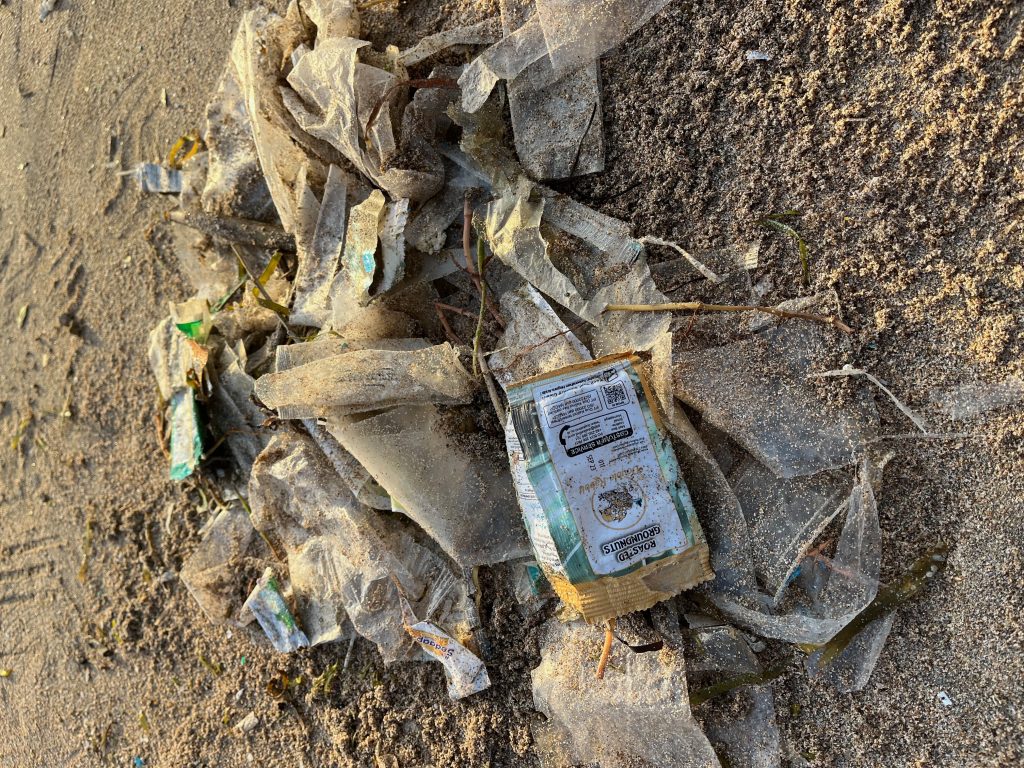
Imagine a world where single-use plastics are replaced by durable, reusable alternatives that protect our planet and save consumers money. This vision is becoming a reality as the global zero-waste packaging market, valued at USD 1.31 billion in 2018, is projected to grow at a compound annual growth rate (CAGR) of 8.78% from 2020 to 2027 (1) . Emerging markets like Indonesia are at the forefront, driven by millennials and eco-conscious groups advocating for sustainable choices to combat plastic pollution and benefit both people and the planet.
This shift is particularly timely for Indonesia, one of the largest contributors to ocean plastic pollution. Growing awareness of the environmental and health risks of plastic is fueling a sustainability movement, with more Indonesians opting for zero-waste products and packaging.
In this blog, we’ll explore the factors driving these changes, raising awareness, and shaping consumer behavior in Indonesia’s move toward a more sustainable future.
A Shift in Mindset: Ways in which Indonesian Consumers Are Embracing Zero-Waste
Several key factors are fueling Indonesia’s shift toward zero-waste as consumers become increasingly aware of the environmental and health impacts of plastic, prompting a search for sustainable alternatives.
- Public Awareness Campaigns
Public awareness initiatives have played a crucial role in educating Indonesians about the importance of reducing plastic waste. Both government and NGO-led programs have made significant strides in promoting sustainable practices nationwide.
- Government Initiatives
The Indonesian government has launched various programs, including the Clean Indonesia initiative, which combines educational campaigns with community events to promote recycling and waste reduction. These efforts show how awareness campaigns can inspire sustainable habits across the nation.
- NGO Efforts
Organizations like EcoBali and the Indonesian Waste Platform are working to educate people about plastic waste through workshops, clean-up events, and school activities. Many NGOs focus on younger generations, aiming to instill eco-friendly values early on and inspire long-term sustainable habits.
2. The Impact of Natural Disasters
Recent natural disasters have heightened public awareness of environmental issues, particularly plastic pollution.
- Waste Management Challenges & Community Clean-ups:
Disasters like the 2018 Palu earthquake and the 2019 Jakarta floods have not only caused significant damage but also exposed the large-scale presence of resurfaced plastic waste that had been buried or overlooked. These events exposed the urgent need for better waste management systems, especially in disaster-prone areas.
- Landfill Fires:
From June to October 2023, there were 14 landfill fires across Indonesia. The worst fire was at the Sarimukti landfill in West Java, where large piles of plastic waste made it hard to put out the flames. The plastic’s high flammability blocked water from reaching the fire, making it more difficult to control. The smoke from the fire also caused poor air quality, leading to health problems and highlighting the dangers of poorly managed landfills.

After these disasters, community clean-ups often bring people together and spark discussions about improving waste management. At Zero Waste Living Lab (ZWLL), we support solutions that tackle waste problems at their source. By partnering with ventures that promote circular packaging, we aim to reduce plastic waste before it even becomes a problem. These solutions not only help during times of disaster but also contribute to creating stronger waste management systems for the future, benefiting both communities and the environment.
3. Health Concerns and the Push for Zero Waste:
Health concerns about plastic use are a major reason for the growing demand for zero-waste options in Indonesia.
- Microplastics in Seafood & Consumer Awareness:
Indonesia has high levels of microplastic contamination in seafood, which has raised concerns among health-conscious consumers (3). Plastics not only harm the environment but can also release harmful chemicals when they come into contact with food. These chemicals pose risks to long-term health. As more people become aware of these dangers, many Indonesians are turning to safer options like reusable and biodegradable products to avoid exposure to harmful plastics.
4. A Media Shift Towards Sustainability
Media is playing a big role in changing attitudes about sustainability in Indonesia.
- The Role of Social Media:
Platforms like Instagram are helping eco-conscious communities share ideas and practices, making zero-waste lifestyles more popular and easy to follow. Local influencers and activists are key to this change, sharing tips and starting campaigns to promote sustainable living. For example, Zero Waste Indonesia (@zerowaste.id_official) inspires its followers with advice, while social media campaigns like #BerkahPiringKosong encourages reducing food waste. These efforts show how small actions can make a big difference in Indonesia’s move toward zero waste.

5. Policies Supporting Sustainability
The Indonesian government has introduced key policies to promote sustainability and support the shift toward a zero-waste future.
• Stronger Plastic Bans and Producer Responsibility
In 2020, regulations banning single-use plastic bags in certain regions marked a significant step forward. The government has also implemented an Extended Producer Responsibility (EPR) program, which makes manufacturers responsible for managing the disposal of their products. These initiatives are helping to reduce plastic waste and build a stronger foundation for sustainable practices across Indonesia.
Scaling Zero-Waste Solutions: Innovation and Collaboration
Indonesia’s progress toward a zero-waste future is driven by a combination of consumer awareness, government action, and innovative solutions. This transition is about more than environmental protection—it’s about making sustainability accessible for all. Businesses play a critical role by offering practical, reusable alternatives to single-use packaging, paving the way for a more sustainable economy.
How Zero Waste Living Lab (ZWLL) is Leading the Charge:
ZWLL is at the forefront of this shift, supporting ventures like Alner to create impactful, scalable solutions tailored to Indonesia’s unique needs.
Alner: A Practical Model for Reuse
Alner’s circular packaging system highlights the economic and environmental potential of reuse. In 2023, the system achieved a 60–70% return rate for reusable packaging, helping businesses save money and reduce waste. By partnering with companies to refill and reuse packaging, Alner is meeting the growing demand for sustainable options and showing that environmental sustainability and financial savings can go hand in hand.
Building a Sustainable Future
Reuse isn’t just good for the environment—it also helps local businesses, eases pressure on waste management systems, and creates new opportunities for growth. With ventures like Alner paving the way and more people understanding the harm caused by plastic pollution, Indonesia is steadily moving toward a zero-waste future.
Footnotes:
(1)
https://www.businesswire.com/news/home/20200324005308/en/Global-Zero-Waste-Packaging-Market—Outlook-Projections-from-2019-to-2027—ResearchAndMarkets.com
(2)
https://m.antaranews.com/amp/berita/3778569/bnpb-ada-14-kejadian-kebakaran-tpa-sampah-sepanjang-juni-oktober-2023
(3)
https://www.mdpi.com/2071-1050/15/12/9836
